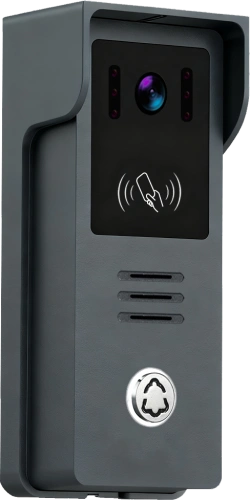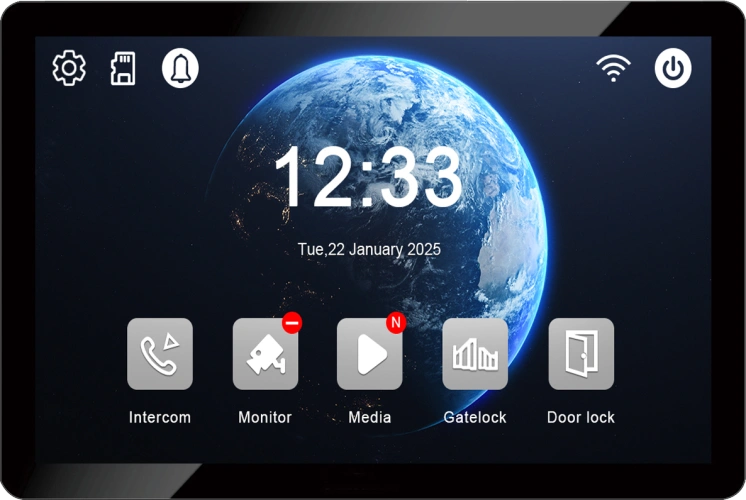
How to Power a Video Doorbell in Remote Areas Without Traditional Electricity
Gennaio 29, 2026
Condividi questo articolo

1. How Video Doorbells Work and Why Power Supply Matters
Video doorbells have revolutionized modern home and facility security by offering real-time video surveillance, two-way communication, and remote access through mobile apps. These smart devices are typically installed at entry points and send alerts to users when motion is detected or when someone presses the doorbell.
🔌 Power Options for Video Doorbells
Depending on the model, video doorbells generally require one of the following power sources:
| Fonte di alimentazione | Descrizione |
|---|---|
| Alimentazione cablata | Connects to existing doorbell wiring (16–24V AC). Ideal for urban homes. |
| Alimentazione a batteria | Uses rechargeable or replaceable batteries. Great for areas with no wiring. |
| Alimentazione solare | Uses solar energy to charge internal batteries. Perfect for sunny, remote areas. |
| Sistemi ibridi | Combines battery and solar or wired backup for reliability. |
💡 Why Power Supply is Critical
- Continuous Monitoring: Without steady power, video doorbells can’t offer 24/7 monitoring.
- Offline Risks: Power outages can lead to security vulnerabilities.
- Accesso remoto: Power is required to keep the device connected to WiFi or cellular networks.
2. Power Challenges of Installing Video Doorbells in Remote Areas
Installing video doorbells in remote areas presents unique challenges, especially when traditional power infrastructure is unavailable or unreliable. These issues must be addressed to ensure optimal functionality.
🏔️ Common Remote Area Challenges
- No grid electricity: Many rural or off-grid areas lack access to AC power lines.
- Unreliable power: Frequent blackouts or voltage fluctuations can damage electronics.
- Weather exposure: Harsh climates may affect battery life and solar panel performance.
- Connectivity issues: Even if powered, some areas lack stable internet connections.
🔧 Installation and Maintenance Barriers
- Difficult terrain limits the use of extension wiring.
- Limited access to replacement batteries or maintenance personnel.
- Security risks during power downtime.
🎯 Key Considerations for Remote Deployment
| Fattore | Raccomandazione |
|---|---|
| Device Power Efficiency | Choose low-power consumption models. |
| Durata della batteria | Opt for long-lasting lithium-ion batteries. |
| Impermeabilità | Use models rated IP65 or higher for outdoor use. |
| Opzioni di connettività | Prefer models with 4G/LTE support if WiFi is unavailable. |
| Maintenance Cycle | Select systems that require minimal maintenance and have remote diagnostics. |
3. Best Power Solutions for Video Doorbells in Off-Grid Locations
Now that we understand the challenges, let’s explore the best power solutions tailored for remote or rural installations.
🔋 1. Battery-Powered Systems
- Ideale per: Temporary setups, low-traffic areas, and portable use.
- Vantaggi:
- Facile da installare
- Non è necessario alcun cablaggio
- Posizionamento flessibile
- Limitazioni:
- Richiede ricarica regolare o sostituzione della batteria
- Short battery life with high traffic or extreme temperatures
☀️ 2. Solar-Powered Systems
- Ideale per: Permanent installations in sunny climates
- Vantaggi:
- Eco-friendly and cost-effective over time
- Minimal maintenance
- Works well with smart battery management systems
- Limitazioni:
- Requires direct sunlight for optimal performance
- May need backup batteries during cloudy days or winter
| Caratteristica | Alimentazione a batteria | Alimentazione solare |
|---|---|---|
| Installazione | Plug-and-play | Requires solar panel placement |
| Manutenzione | High (battery changes) | Low (occasional cleaning) |
| Costo nel tempo | Medio | Basso |
| Eco-Friendliness | Medio | Elevata |
🔄 3. Hybrid Systems (Battery + Solar)
- Ideale per: Areas with occasional sunlight or mixed weather conditions
- Vantaggi:
- Reliable year-round power
- Reduced downtime
- Ideal for critical surveillance areas
- Limitazioni:
- Costo iniziale leggermente più alto
- Requires proper system integration
🧩 4. External Battery Packs or Power Banks
- Ideale per: Extremely remote, mobile, or temporary use
- Vantaggi:
- Portable and easy to swap
- Compatible with USB-powered doorbells
- Limitazioni:
- Limited lifespan
- Requires manual recharging
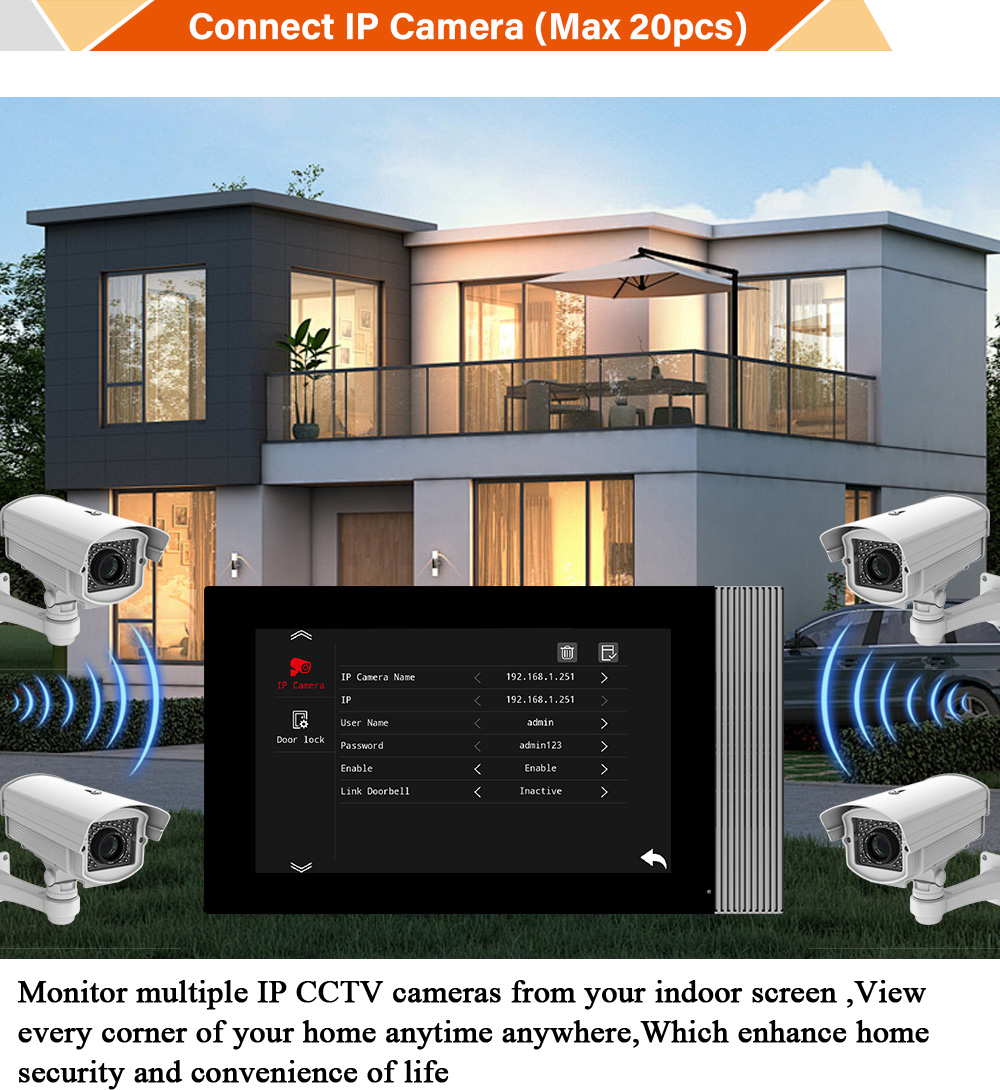
4. Battery-Powered Video Doorbells: Pros, Cons, and Use Cases
Battery-powered video doorbells are among the most flexible and widely used options for powering devices in remote or off-grid locations. They offer unmatched convenience for areas where hardwiring is impractical or impossible.
🔋 Advantages of Battery-Powered Doorbells
- Nessun cablaggio richiesto
Perfect for remote cabins, temporary buildings, or older properties without existing doorbell wiring. - Installazione rapida
Mount the unit, pair with your app, and you’re ready to go. - Portabilità
Easily relocate the device as needed without rewiring. - Low Maintenance with Modern Batteries
Advanced lithium-ion batteries can last up to 3–6 months per charge, depending on usage.
⚠️ Disadvantages and Limitations
| Sfida | Spiegazione |
|---|---|
| Limited Battery Life | Frequent motion detection or poor signal strength drains batteries faster. |
| Manual Recharging Needed | Device must be removed or connected to a power source periodically. |
| Cold Weather Performance | Batteries may degrade or underperform in extremely cold temperatures. |
🔍 Best Use Cases for Battery-Powered Units
- Cantieri edili: Temporary security at trailers or equipment storage.
- Farms or Ranches: Where infrastructure is limited but monitoring is essential.
- Case per vacanze: Seasonal residences that don’t require continuous wiring.
- Mobile Offices: Pop-up retail booths or mobile command centers.
✅ Features to Look for in Battery-Powered Models
- Low Power Standby Modes to extend battery life
- Notifiche intelligenti to reduce unnecessary recordings
- Recharge Alerts so you never miss downtime
- Detachable Battery Packs for hassle-free charging
🔧 Tip: Choose models with pacchi batteria rimovibili so that one pack can charge while the other is in use, reducing downtime.
5. Solar-Powered Video Doorbells: Efficient Energy for Remote Monitoring
With their eco-friendly design and long-term cost savings, solar-powered video doorbells are the top choice for powering smart security devices in remote, sun-rich environments.
☀️ How Solar-Powered Doorbells Work
- A small photovoltaic panel captures sunlight and converts it into DC power.
- This power charges an internal battery, which then powers the video doorbell.
- The doorbell continues functioning day and night using stored energy.
🌞 Key Benefits
- Sustainable & Renewable
No external power source required—operates entirely off solar energy. - Minimal Maintenance
Just keep the solar panel clean and free of obstructions. - Cost-Effective Over Time
While initial investment may be higher, operational costs are near zero. - Ideal for Remote Locations
Works in far-flung areas without any electrical infrastructure.
📉 Limitations to Consider
| Fattore | Impatto |
|---|---|
| Shaded Areas | Reduced efficiency if the panel is not in direct sunlight. |
| Short Winter Days | Limited charging time during colder months may require backup power. |
| Initial Setup | Mounting angle and direction must be optimized for sun exposure. |
📌 Best Practices for Remote Solar Doorbell Setups
- South-facing solar panels (in the Northern Hemisphere) for maximum sun exposure.
- Tilt angle based on your region’s latitude.
- Use of lithium-ion batteries with wider temperature operating range.
- Pair with cloud or SD storage to ensure video backup even during offline periods.
🔍 Ideal Applications
- Remote Gate Entrances: Monitor who’s entering your property.
- Off-Grid Cabins: Get footage even without being physically present.
- Solar Farms: Monitor access points across large outdoor areas.
- Oil and Gas Facilities: Secure remote outposts without adding infrastructure.
🛠️ Pro Tip: Regularly inspect and clean solar panels to maintain efficiency. Dust, snow, or bird droppings can reduce power output significantly.
6. Hybrid Power Systems for Video Doorbells in Rural Environments
When absolute reliability is required, hybrid power systems that combine solar and battery backup (or other alternatives) are the gold standard. These systems are well-suited for critical security operations in rural or industrial zones.
🔧 What Is a Hybrid System?
A hybrid system typically uses:
- Primary Power Source: Solar panel or wired connection (if available)
- Backup Power: Rechargeable battery or external battery pack
- Smart Switching: Automatically switches between sources based on availability
🧠 Why Use Hybrid Systems?
- Redundancy: Ensures continuous operation even in bad weather or power outages.
- Extended Runtime: Batteries get charged via solar when available, reducing manual maintenance.
- Smart Management: Modern systems use sensors to optimize energy usage and switch automatically.
🪫 Components of a Hybrid Setup
| Componente | Scopo |
|---|---|
| Solar Panel | Captures renewable energy during the day |
| Pacco batteria | Stores energy for night or cloudy days |
| Charge Controller | Regulates energy flow and prevents overcharging |
| Videocitofono | Performs surveillance, motion detection, and notifications |
💼 Best Use Cases for Hybrid Systems
- Remote Government Facilities: Embassies, border stations, or utility substations.
- Mining or Energy Sites: Where downtime could mean serious security risks.
- Telecom Towers: Monitor access in hard-to-reach installations.
- Disaster Response Shelters: Ensure communication and surveillance under uncertainty.
🛒 B2B Buyer Tip
For B2B buyers, hybrid models offer the best ROI. They reduce maintenance costs, ensure uninterrupted surveillance, and work well across diverse deployment environments.
💡 Looking for a manufacturer that supports hybrid-ready doorbells?
Contact FARHD for Custom OEM Solutions tailored to remote deployments.
FARHD’s hybrid-compatible video doorbell systems combine solar charging, long-life batteries, e smart energy management—ideal for industrial and government-level applications.
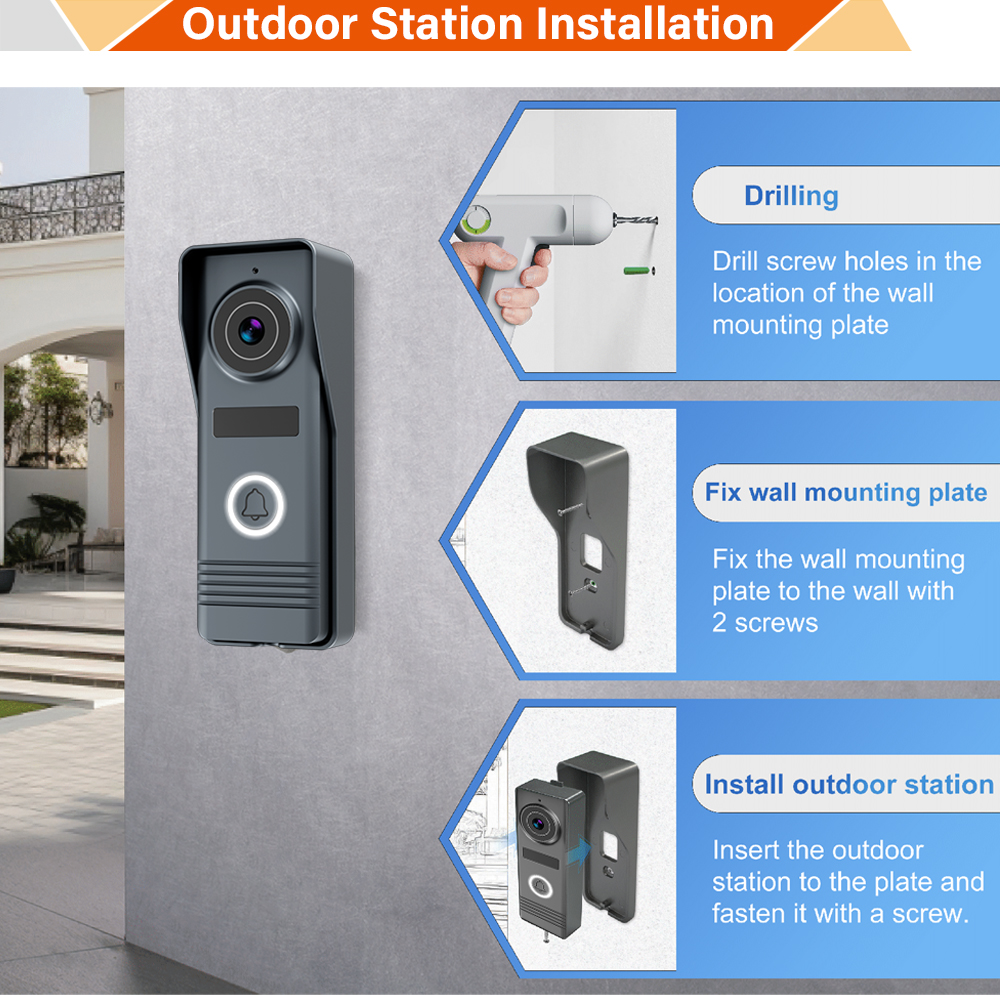
7. Choosing the Right Power System Based on Your Remote Setup
Selecting the optimal power system for your video doorbell in a remote location depends on several key factors. B2B buyers, system integrators, and project managers must evaluate environmental conditions, usage frequency, and infrastructure availability to make informed decisions.
🧩 Key Criteria for Power System Selection
| Criteri | Recommended Power Solution |
|---|---|
| No Power Grid Access | Solar-powered or battery-powered system |
| Harsh Weather Conditions | Hybrid system with weatherproof casings and battery backup |
| High Foot Traffic | Wired or hybrid system with large-capacity batteries |
| Low Maintenance Needs | Solar-powered system with self-cleaning panels |
| Installazioni temporanee | Battery-powered system with portable mounting kits |
🛠️ Environmental Factors to Consider
- Sunlight Hours: Affects solar charging efficiency
- Temperature Extremes: Can degrade battery performance
- Humidity/Rain/Snow: Requires IP65+ rated weatherproofing
- Terrain: Influences installation logistics and maintenance access
🎯 Use Case-Based Recommendations
| Caso d'uso | Suggested Solution |
|---|---|
| Remote Industrial Facility | Solar + battery hybrid with cloud storage |
| Agricultural Property | Standalone solar-powered with motion alerts |
| Construction Site | Battery-powered with optional solar charging kit |
| Off-Grid Vacation Home | Hybrid system with detachable battery packs |
| Security Checkpoint | Wired + solar backup for continuous operation |
💡 TIP: Evaluate the average daily energy consumption of your chosen video doorbell model. Multiply by days of autonomy (e.g., 3 days) to determine your backup battery capacity requirement.
8. Recommended Power-Ready Video Doorbell Models for Off-Grid Use
When sourcing power-efficient video doorbells for remote or off-grid applications, it’s vital to choose devices that are not only energy-conscious but also designed for industrial reliability. Below are some of the top options for B2B and commercial buyers.
🌟 Top Video Doorbell Models for Remote Power Setups
| Nome del modello | Tipo di alimentazione | Funzionalità degne di nota | Ideale per |
|---|---|---|---|
| FARHD Serie Villa a 4 fili | Hybrid (Solar + Battery) | Low power consumption, IP65 waterproof, 2-wire/4-wire ready | Farms, rural homes, villas |
| Arlo Essential senza fili | Batteria | 1080p video, 6-month battery life, weather-resistant | Vacation homes, small cabins |
| Sicurezza Eufy 2K | Batteria + Solare | 180-day battery + solar panel, AI detection | Off-grid homes, remote gates |
| Ring Stick Up Cam Elite | Wired + PoE | Ethernet-powered, 1080p HD, Alexa integration | Industrial sites, checkpoints |
| FARHD Embedded Camera Modules | Custom OEM | OEM-ready, ultra-low power, customizable branding | White-label, OEM integrations |
🔍 Explore the FARHD 4-Wire Villa Series for powerful video intercom systems designed with hybrid power and remote applications in mind.
🔧 Why Choose FARHD for Remote Video Doorbell Needs?
FARHD is a leading OEM/ODM video doorbell manufacturer based in Shenzhen, China, with a focus on full-stack production, from LCM/LCD modules to final product assembly.
✅ Benefits for B2B Buyers:
- Produzione end-to-end: From LCD to smart intercom systems
- Marchio personalizzato: Ideal for resellers and white-label projects
- Hybrid Power Options: Native support for solar, battery, and wired power
- Portata globale: Principale quota di mercato in Cina, Italia, Corea e Turchia
- Certificazioni: ISO 9001, CE, ROHS, FCC, SGS certified
🔗 Scopri di più su FARHD’s OEM/ODM Manufacturing Capabilities to customize your remote-ready video doorbell solution.
9. Domande frequenti (FAQ)
❓ Can video doorbells work without electricity?
Yes. Battery-powered and solar-powered video doorbells are designed to operate in environments without access to the power grid. These models store energy and use it efficiently to keep operating even in remote areas.
❓ How long do batteries last in off-grid video doorbells?
Battery lifespan depends on usage, temperature, and device efficiency. High-quality lithium-ion batteries can last between 3–6 months on a single charge. Hybrid models with solar charging can extend this indefinitely.
❓ Will video doorbells record at night in off-grid locations?
Yes, as long as they have sufficient battery or solar power and include infrared night vision o LED lighting for low-light recording.
❓ What happens if there’s no internet in remote areas?
Many video doorbells support archiviazione su scheda SD locale o 4G/LTE modules for cloud access. Choose models that store video locally and sync when internet becomes available.
❓ Can I customize the video doorbell system to match my brand?
Assolutamente. FARHD offre custom branding, OEM/ODM production, and full integration services for businesses. Their systems can be tailored in firmware, hardware, and visual design.
📞 Ready to deploy video doorbells in rural or off-grid locations?
Contattate FARHD oggi stesso to get a custom quote or discuss your project requirements.
Conclusione
Powering video doorbells in remote areas is not only possible—it’s practical and scalable with the right technology. Whether you choose battery, solar, or hybrid systems, ensure your solution aligns with environmental conditions and operational needs. For businesses looking to scale or customize their offerings, FARHD provides comprehensive, reliable, and customizable options to meet the demands of remote deployments.
🔗 Scopri di più su FARHD and our full product line to discover how we’re redefining video doorbell solutions for the modern world.
Potreste anche essere interessati
-

FARHD to Showcase All-Climate Technology at 2026 China Security Expo, Empowering Smart Communities in Northern China
From November 3 to 6, 2026, FARHD, a global leader in smart security and communication solutions, will unveil its full range of products deeply optimized for the harsh winter conditions of northern China at the 18th China International Social Public Security Products Expo (Security China). Under the theme “Digital Intelligence World, Total Security,” the expo…
-
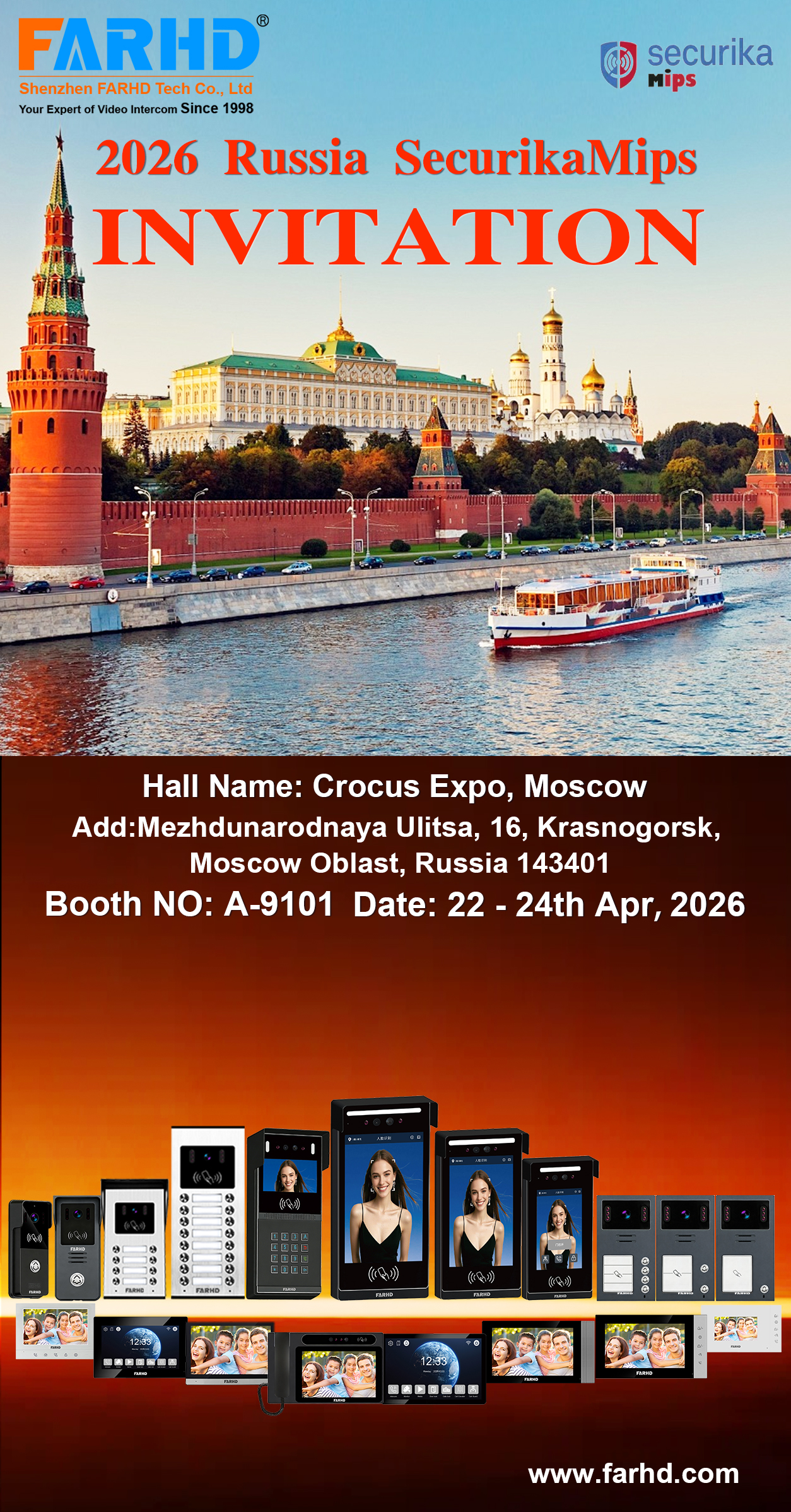
FARHD to Showcase All-Climate Hard-Tech Solutions at Securika Moscow 2026
From April 22 to 24, 2026, FARHD, a global leader in smart security and communication solutions, will unveil its full range of products engineered for extreme climates at Securika Moscow 2026, held at Crocus Expo in Moscow, Russia. At booth A-9101, FARHD will present its smart intercom, access control, and smart home solutions—all deeply optimized…
-
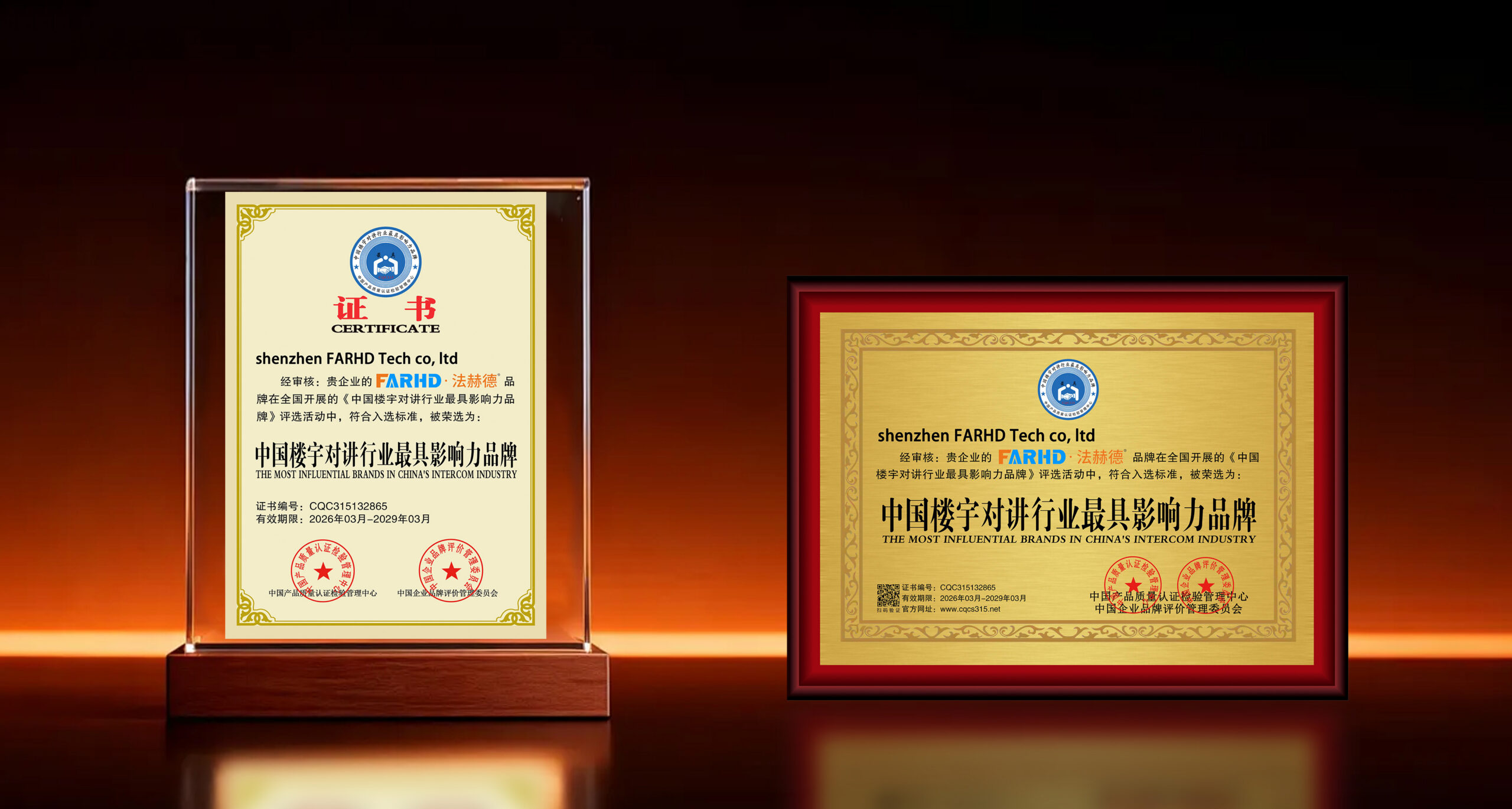
FARHD Honored with Multiple Prestigious Awards in China’s Building Intercom Industry, 28 Years of Deep Engagement in the Chinese Market Solidifying Its Position as a Leading Brand
Recently, in the annual selection event jointly organized by the China Security and Protection Industry Association and multiple authoritative media outlets, FARHD, by virtue of its profound industry experience, outstanding technological innovation capabilities, and extensive market recognition, was awarded the prestigious “Most Influential Brand in China’s Building Intercom Industry” . These accolades not only affirm FARHD’s 28…
-
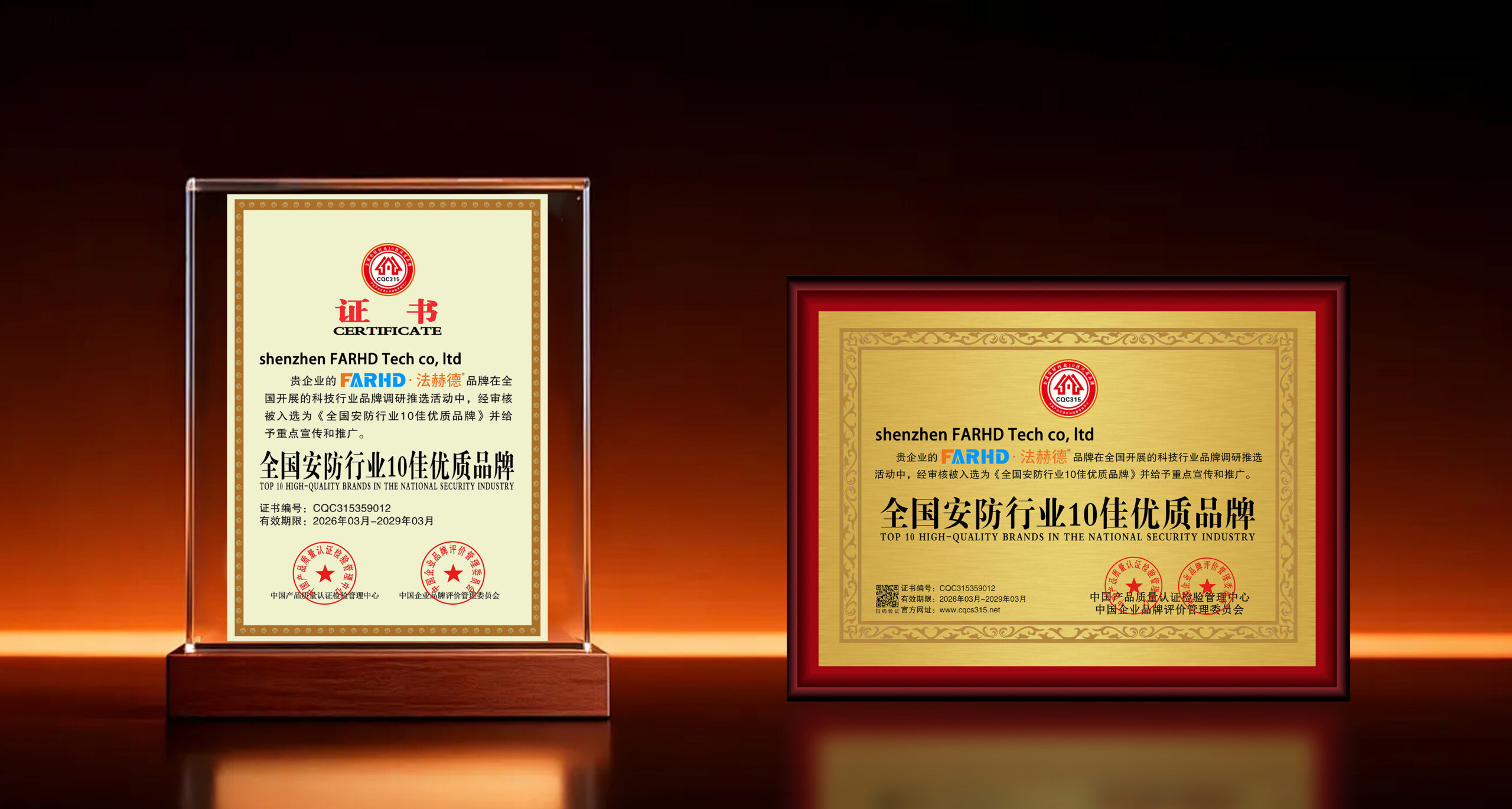
FARHD Honored with Multiple Prestigious Awards in China’s Building Intercom Industry, 28 Years of Deep Engagement in the Chinese Market Solidifying Its Position as a Leading Brand
Recently, in the annual selection event jointly organized by the China Security and Protection Industry Association and multiple authoritative media outlets, FARHD, by virtue of its profound industry experience, outstanding technological innovation capabilities, and extensive market recognition, was awarded the prestigious “National Top 10 Quality Brands in the Security Industry” . These accolades not only affirm FARHD’s…