What Is a Video Door Phone System and How Does It Work for Apartments?
يوليو 11, 2026
شارك هذه المقالة

Quick Navigation
- What Is a Video Door Phone System?
- How Does a Video Door Phone System Work?
- Why Apartment Buildings Need Video Door Phone Systems
- Analog vs. IP Video Intercom: What’s the Difference?
- Key Features to Look for in an Apartment Video Door Phone
- Video Door Phone vs. Smart Doorbell: What’s the Difference?
- FARHD: A Trusted Video Door Phone Manufacturer
What Is a Video Door Phone System?
أ نظام هاتف الباب بالفيديو—also known as a video intercom, video door entry system, or apartment intercom system—is an entry communication system that lets residents see and speak with visitors before granting them access.
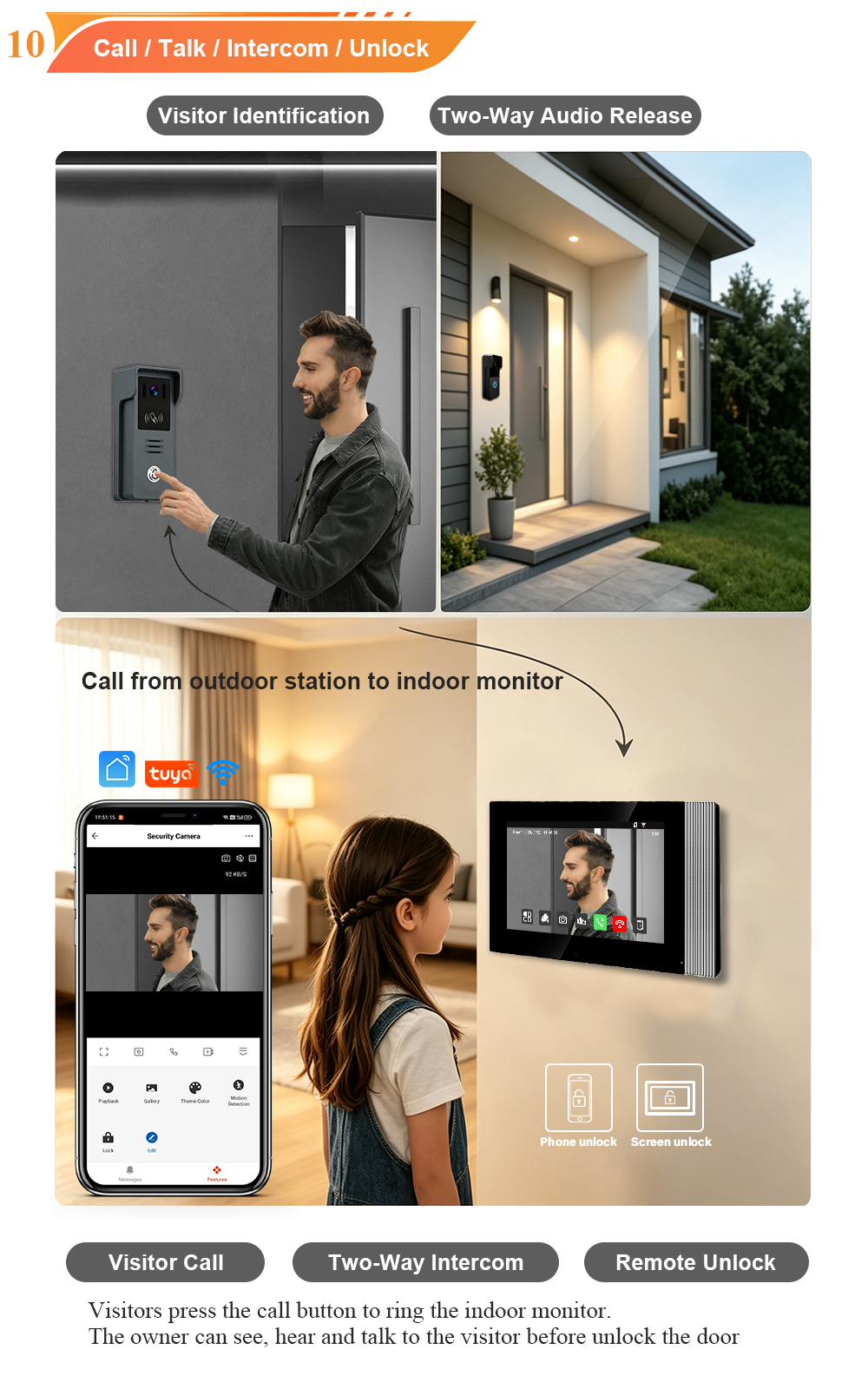
Think of it as a video calling bell: visitors ring the doorbell at the building entrance, and residents can view them on a monitor inside their apartment—or on their smartphone—without opening the door. This gives residents the power to decide who gets in and who doesn’t.
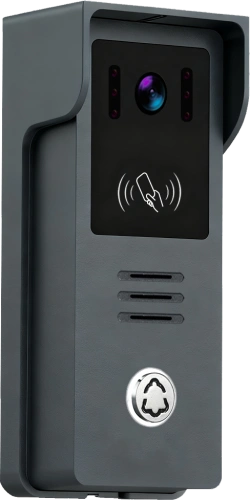
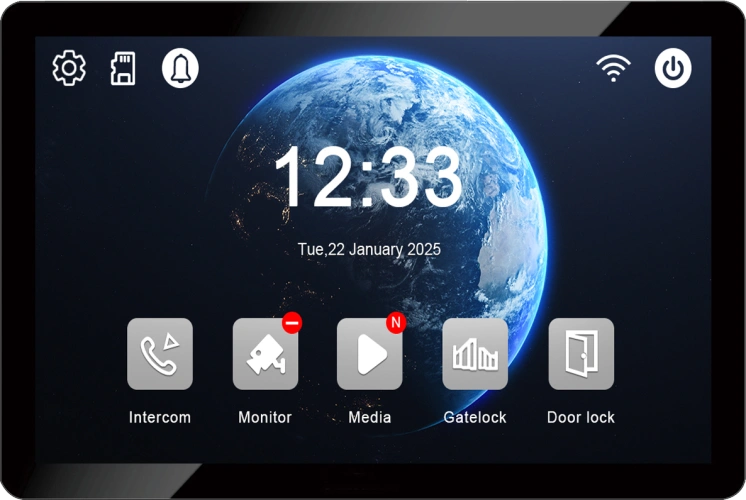
A video door phone system typically consists of three core components:
💡 Key distinction: A video door phone is not just a doorbell with a camera. The best systems integrate into a building’s entire access control strategy.
How Does a Video Door Phone System Work?
Here’s a step-by-step breakdown of how a video door phone system operates in an apartment building:
Step 1: Visitor Arrives at the Entrance
A visitor approaches the building entrance and locates the resident’s name or unit number on the outdoor door station’s directory. They press the corresponding call button.
Step 2: Call Is Placed to the Resident
The door station sends a call to the resident’s indoor monitor and/or smartphone app. In IP-based systems, this call travels over the building’s network and the internet.
Step 3: Resident Answers and Sees the Visitor
The resident’s indoor monitor rings and the screen lights up, displaying a live HD video feed from the door station’s camera. The resident can see and hear the visitor clearly.
Step 4: Two-Way Communication
The resident can talk to the visitor through the monitor’s built-in microphone and speaker. This two-way audio and video communication lets residents verify the visitor’s identity before making any decisions.
Step 5: Door Unlocking
If the resident decides to grant access, they can unlock the door with a simple touch on the monitor screen or a tap on their smartphone app. The door release mechanism is triggered electronically.
Step 6: Remote Access (Optional)
With IP-based systems and mobile apps, residents can perform all these steps—answer calls, see visitors, talk, and unlock doors—from anywhere in the world, as long as they have an internet connection.
📱 Remote access in action: A courier arrives while you’re at work. Your phone rings, you see the delivery person on video, and you unlock the building door with one tap—all without leaving your desk.
Why Apartment Buildings Need Video Door Phone Systems
Video door phone systems have become essential for modern multifamily buildings. Here’s why:
1. Enhanced Security Through Visual Verification
With a video intercom, residents can visually confirm who’s at the door before letting anyone in. Delivery drivers, contractors, friends—no one slips in unnoticed. This cuts down unauthorized access and reduces risk for everyone in the building.
A camera at every perimeter door is more than just a tool—it’s a deterrent. Intruders looking to sneak in realize their every move will be captured and logged.
2. Convenience and Remote Access
Modern video door phone systems let residents manage visitor access from their smartphones. No more chasing property staff, no more bottlenecks at the front desk. Residents love the independence; staff love the freedom.
3. Property Staff Efficiency
Think about how much time property staff waste handling visitor access. A video intercom flips that script—residents handle their own visitor management. Staff get their time back to focus on bigger issues.
4. Evidence and Audit Trails
Video intercom systems log every access event: who buzzed, when, and what was said. This footage is powerful leverage in disputes or investigations.
5. Scalability for Large Buildings
IP-based systems can support hundreds or even thousands of indoor stations. For example, one leading solution supports up to 500 indoor stations per building, with multiple door stations installed for one building. In practice, you can connect dozens of residential buildings in one complex into a single network serving thousands of residents.
Analog vs. IP Video Intercom: What’s the Difference?
When choosing a video door phone system for an apartment building, one of the first decisions is whether to go with analog أو IP (Internet Protocol) technology.
When to Choose Each
Choose analog تريد تفاعل الزائر في الوقت الفعلي
- You have a small building with few units
- You want simple, reliable functionality without internet dependency
- Budget is the primary concern
- You don’t need mobile app access
Choose IP تريد تفاعل الزائر في الوقت الفعلي
- You have a multifamily building with multiple units
- Residents expect modern amenities like smartphone access
- You want remote access and mobile app functionality
- You plan to expand or integrate with other systems
- You want future-proof technology
📊 Market trend: The global door phone market is projected to grow from USD 6.05 billion in 2025 to USD 9.24 billion by 2031, driven largely by demand from multifamily residential buildings.
Key Features to Look for in an Apartment Video Door Phone
When evaluating video door phone systems for an apartment building, consider these essential features:
✅ HD Video Quality
High-definition video ensures clear visuals, even in low-light conditions or with strong backlight.
✅ Two-Way Audio
Clear, noise-canceling audio for effective communication with visitors.
✅ Mobile App Integration
Residents should be able to answer calls, view video feeds, and unlock doors from their smartphones.
✅ Multiple Door Station Support
For buildings with multiple entrances, the system should support multiple outdoor stations.
✅ Scalability
The system should support adding new units or buildings without requiring extensive rewiring.
✅ Integration Capabilities
Look for compatibility with access control systems, elevators, gates, and CCTV cameras.
✅ Remote Unlocking
Residents and property managers should be able to unlock doors remotely.
✅ Visitor Logs
Audit trails showing who entered, when, and how.
Video Door Phone vs. Smart Doorbell: What’s the Difference?
While often used interchangeably, these terms refer to different products:
| Aspect | هاتف الباب بالفيديو | جرس الباب الذكي |
|---|---|---|
| Typical Use | Apartment buildings, multifamily properties | المنازل ذات العائلة الواحدة |
| System Scale | Supports multiple units and indoor stations | Typically supports one household |
| Indoor Hardware | Wall-mounted monitor in each apartment | Usually uses existing doorbell wiring + smartphone |
| Visitor Directory | Yes—call by name or unit number | No—single call button |
| التكامل | Building-wide access control | Home automation |
Bottom line: Video door phones are built for multifamily buildings with multiple residents. Smart doorbells are designed for منازل عائلة واحدة.
FARHD: A Trusted Video Door Phone Manufacturer
Founded in 1998, FARHD is a leading Chinese manufacturer of video door phones and intercom systems with over 28 years of industry experience.
What Makes FARHD Different?
One-Stop Solution: FARHD specializes in the full in-house R&D and production of everything from TFT LCD screens, driver boards, and camera modules to complete villa and apartment building intercom systems. As one of the few companies capable of providing a one-stop overall solution—from core components to complete systems—they ensure seamless integration and quality control at every stage.
Extensive Product Line:
- Wireless video doorbells
- 4-wire CVBS and AHD video doorbells
- 2-wire IP systems for villas and apartments
- IP-based systems for villas and apartments
- Audio intercom systems
Global Reach: FARHD provides SKD semi-knocked-down solutions to assembly factories across Europe, the Middle East, South America, Southeast Asia, the United States, Russia, India, Iran, Turkey, South Korea, and Italy—effectively reducing both production and tariff costs for partners.
الشهادات: Products hold international certifications including CE, FCC, RoHS, IP65 water resistance, and EMC.
Proven Track Record: Supported by 28 direct sales branches across China, FARHD has successfully completed over 10,000 large-scale building video intercom projects, including ultra-large communities with 1,000, 3,000, and even over 5,000 households.
OEM/ODM Services: FARHD offers comprehensive customization including software and hardware development, UI design, functional module adjustments, and tailored packaging solutions.
After-Sales Support: A dedicated technical support group is established upon product delivery to assist with programming, device installation, and wiring connections throughout the process.
Scale: FARHD serves over 1,000 enterprises worldwide with an annual sales volume of 300,000 units.
Frequently Asked Questions
Can a video door phone system be installed in an existing apartment building?
Yes. IP-based systems can be retrofitted into existing buildings using the building’s network infrastructure. Some systems can even use existing 2-wire cabling.
How many indoor stations can an apartment video intercom system support?
IP-based systems can support hundreds or even thousands of indoor stations. One leading solution supports up to 500 indoor stations per building.
Can residents unlock doors from their smartphones?
Yes. Modern IP video door phone systems include mobile apps that let residents answer calls, see visitors, and unlock doors from anywhere.
What’s the difference between a video door phone and an audio-only intercom?
A video door phone adds visual verification—residents can see who’s at the door before deciding to grant access. Audio-only systems lack this crucial security feature.
How much does an apartment video intercom system cost?
Costs vary widely based on building size and system complexity. Commercial video intercom systems typically range from $1,500 to $5,000 per entry door, with full-building systems for multi-tenant properties ranging from $10,000 to $50,000+.
الخاتمة
A video door phone system is an essential security and convenience upgrade for any multifamily building. By allowing residents to see, speak with, and remotely unlock doors for visitors, these systems enhance security, streamline property operations, and improve the resident experience.
Whether you’re retrofitting an existing building or planning a new development, choosing the right system—whether analog or IP—depends on your building’s size, budget, and resident expectations. With the global door phone market growing rapidly, investing in a modern video intercom system is not just a security upgrade—it’s a strategic decision that adds value to your property.
Ready to upgrade your apartment building’s entry system? Contact FARHD for a customized video door phone solution tailored to your property’s needs.
قد يثير اهتمامك أيضًا
-
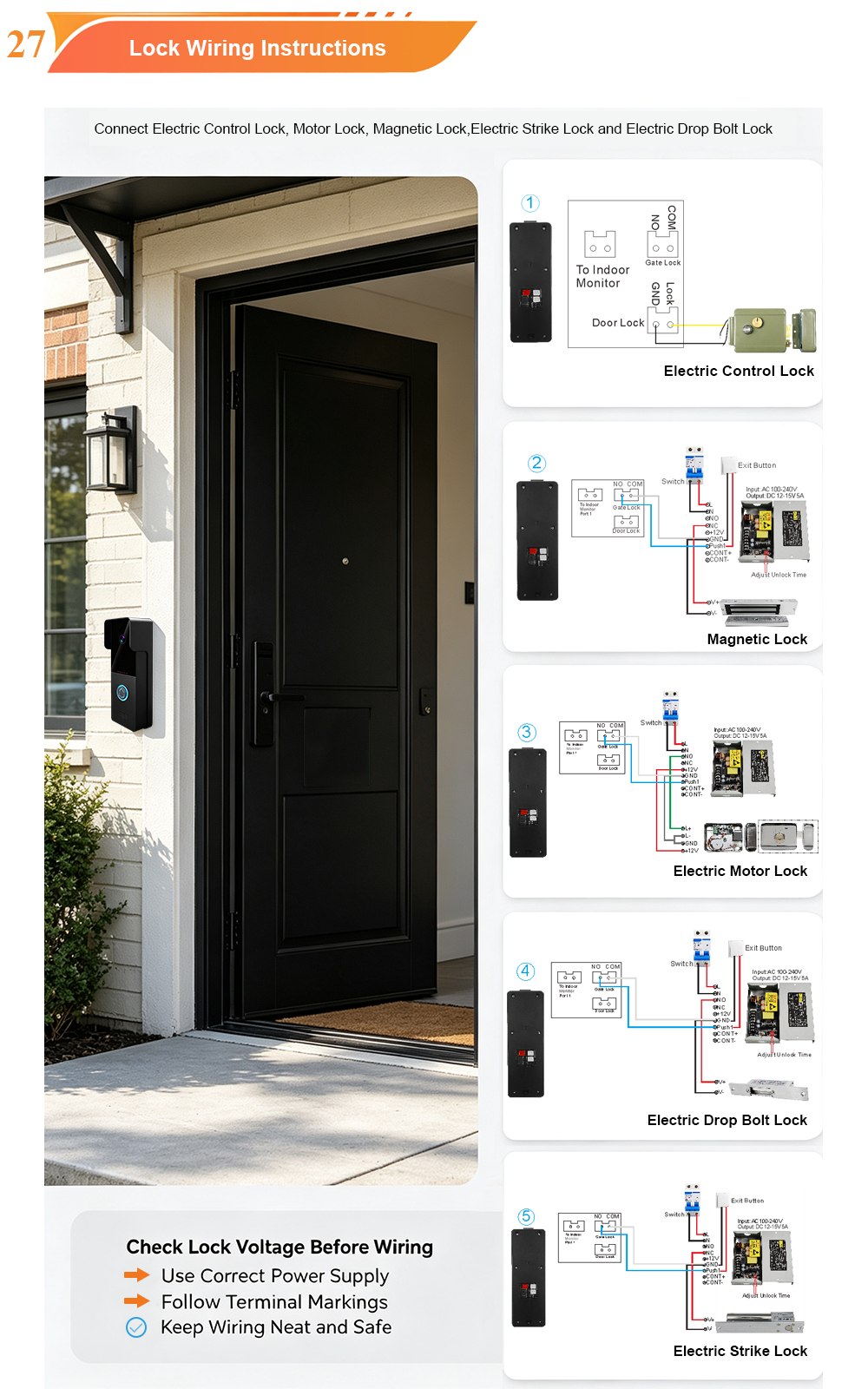
2-Wire Video Door Phone Connection with Electric Rim Lock: Unlock by Card, Indoor Monitor, and App
A complete guide to wiring an electric rim lock to a FARHD 2-wire video door phone system—and configuring three convenient unlock methods: RFID card, indoor monitor, and mobile app. Whether you are upgrading an existing building or specifying a new system, this guide covers the essentials for reliable, secure access control. Electric rim locks are…
-

Video Intercom Manufacturer & Source Factory Since 1998 | OEM ODM SKD Building Intercom
Video Intercom Manufacturer & Vertical Source Factory in China FARHD is a professional video intercom manufacturer with over 28 years of specialized experience in building security intercom systems. Established in 1998, we are a genuine building intercom factory focused on independent R&D, in-house production, and customized manufacturing for global B2B clients, including distributors, importers, engineering contractors, real estate…
-
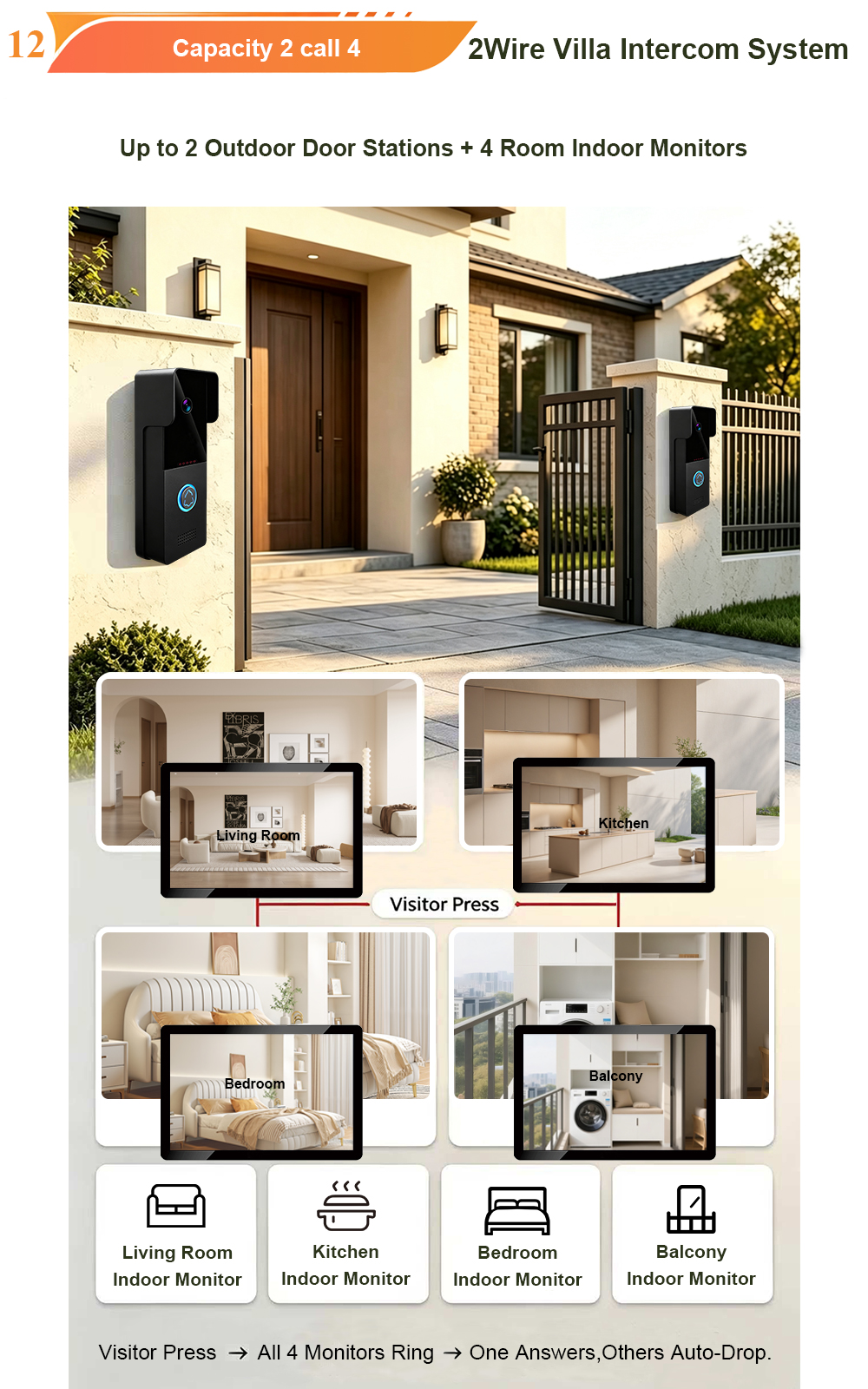
FARHD Video Intercom System: Versatile Solutions for Apartments and Villas
When it comes to building security and smart access, one size does not fit all. Different buildings have different wiring, different layouts, and different resident expectations. That’s why FARHD offers a comprehensive range of video intercom systems—with various indoor monitors and outdoor stations to match any apartment or villa project. Since 1998, FARHD has been…
-
Low-Temperature Test: FARHD Video Intercom Screens Keep Running Smoothly in Freezing Cold
Inside the freezing chamber, it keeps working — normal display, no black screen, no shutdown. Real quality isn’t just about lab data; it’s about staying reliable in extreme conditions. A video intercom that withstands freezing cold — because your door security can’t take a day off. In many parts of the world, winter is not…