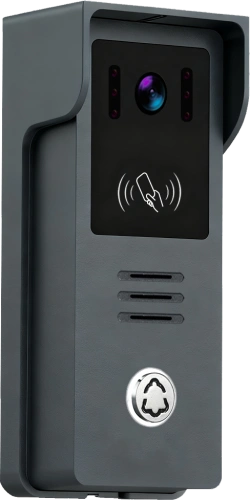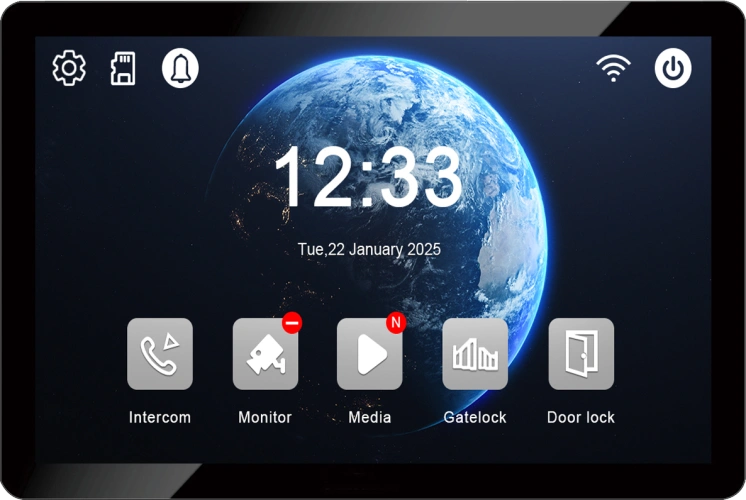
What Is the Difference Between Doorbell Camera and Intercom Systems?
13 November, 2025
Share This Article
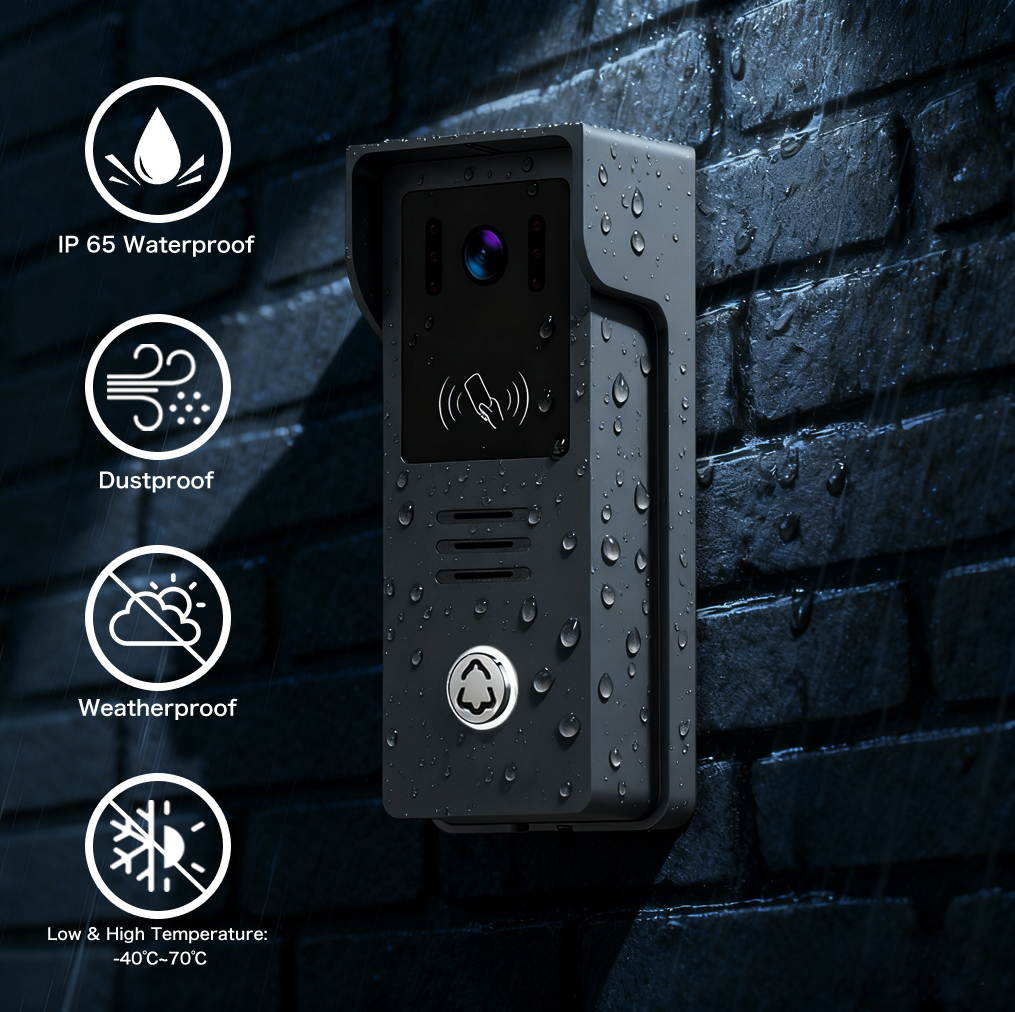
1. Introduction: Doorbell Camera vs. Intercom – Understanding the Basics
With the surge in demand for smart home security and intelligent access control systems, many consumers and businesses are evaluating whether to invest in a doorbell camera or an intercom system. While these two devices serve overlapping purposes — such as monitoring entrances and communicating with visitors — they differ significantly in terms of functionality, scalability, and application.
Whether you’re a homeowner looking to upgrade your entryway security or a property manager seeking a reliable communication system for apartments or commercial buildings, understanding the difference between these two technologies is crucial before making a decision.
Definitions:
| Device Type | Description |
|---|---|
| Doorbell Camera | A smart device that combines a doorbell function with a surveillance camera, often connected to a mobile app for remote monitoring. |
| Intercom System | A communication system that allows two-way audio (and sometimes video) between different rooms or entry points, typically used in residential, commercial, or multi-unit properties. |
2. How a Doorbell Camera Works: Key Features and Use Cases
Doorbell cameras are compact security devices designed for residential and small office use. They are ideal for users who want to visually verify visitors, receive alerts on their smartphones, and even communicate with guests remotely.
Key Components:
- HD Camera: Captures video of visitors at the door.
- Microphone & Speaker: Enables two-way audio.
- Motion Detection Sensor: Sends alerts when motion is detected.
- Wi-Fi Module: Connects the doorbell to the internet for remote access.
- Mobile App Integration: Allows live streaming, cloud storage, and alerts.
Main Features:
| Feature | Description |
|---|---|
| Remote Access | View and speak to visitors from anywhere via a smartphone. |
| Motion Alerts | Receive real-time notifications when someone approaches the door. |
| Video Recording | Store video clips locally or in the cloud for security purposes. |
| Night Vision | Infrared sensors allow monitoring in low-light conditions. |
| Smart Integration | Compatible with Alexa, Google Assistant, and other smart ecosystems. |
Use Cases:
- Residential homes
- Small offices or storefronts
- Vacation rentals
- Elderly care monitoring
Pros:
- Affordable and easy to install
- Offers visual verification of visitors
- Compatible with other smart home devices
Cons:
- May require a subscription for full features
- Limited range and scalability
- Dependent on stable Wi-Fi connection
3. How an Intercom System Works: Types and Applications
An intercom system is a more comprehensive solution for secure communication across various zones of a building or between the entrance and internal units. Unlike simple doorbell cameras, intercoms are designed to handle multiple units, users, and security levels, making them ideal for multi-tenant buildings, villas, and commercial complexes.
Types of Intercom Systems:
| Type | Description |
|---|---|
| Audio Intercom | Allows two-way voice communication between stations. |
| Video Intercom | Adds video capabilities to audio intercoms via built-in LCD screens. |
| Wired Intercom | Uses physical cables for connection; offers stable performance. |
| Wireless Intercom | Communicates via Wi-Fi or radio frequencies for flexible installation. |
| IP Intercom | Network-based intercoms suitable for enterprise-level integration. |
Key Features:
- Two-Way Communication: Real-time conversation between indoor and outdoor units.
- Video Calling: Visual confirmation of visitor identity.
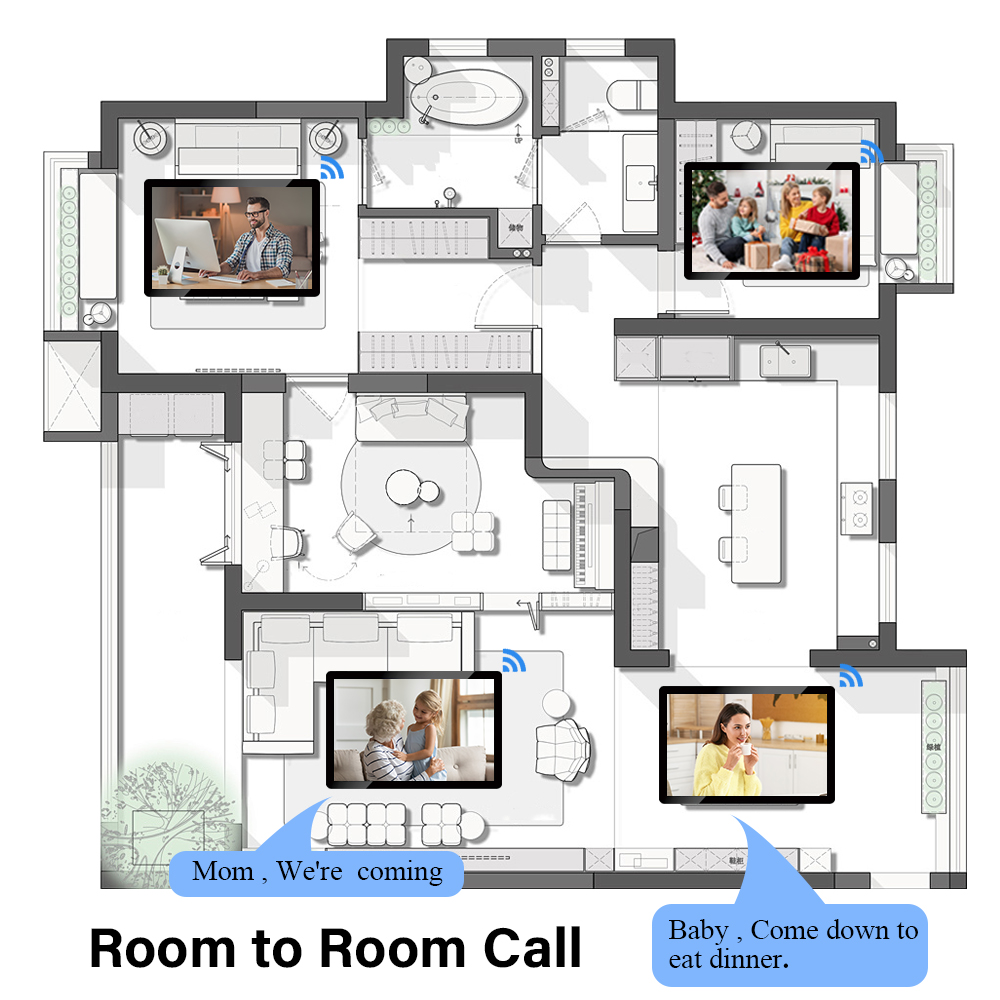
- Room-to-Room Communication: Internal communication within large homes or offices.
- Access Control Integration: Unlock doors or gates remotely.
- Multi-Unit Support: Ideal for apartments and gated communities.
Use Cases:
- Multi-family residences
- Gated communities
- Commercial offices and warehouses
- Government and educational buildings
Pros:
- Scalable and reliable
- Enhanced security with integrated access control
- Suitable for complex building layouts
Cons:
- Requires professional installation
- Higher initial cost
- May involve more complex wiring or networking
For businesses or property developers looking for custom intercom systems, working with a leading OEM/ODM provider like FARHD ensures high-quality, scalable solutions tailored to specific project requirements.

4. Major Differences Between Doorbell Cameras and Intercom Systems
To help clarify the functional and structural differences, the following table provides a side-by-side comparison of doorbell cameras vs. intercoms:
| Feature | Doorbell Camera | Intercom System |
|---|---|---|
| Primary Function | Video monitoring and remote visitor interaction | Audio/video communication and access control |
| Installation | Typically DIY, wireless | Usually wired and professionally installed |
| Scalability | Limited to one or two units | Supports multi-unit buildings and complex infrastructures |
| Communication Range | Short-range, dependent on Wi-Fi | Long-range, supports internal and external communication |
| Video Display Screen | Via smartphone app | Built-in indoor monitor or control panel |
| Integration with Access Control | Limited or add-on | Fully integrated |
| Ideal For | Homeowners, small offices | Apartment buildings, commercial properties |
| Cost | Low to medium | Medium to high, depending on scale |
5. Which Is Better for Home Use: Doorbell Camera or Intercom?
For single-family homes, doorbell cameras offer a convenient and cost-effective way to monitor the front door. They are easy to install, integrate with smartphones, and provide essential features like motion alerts, two-way talk, and video recording.
However, homeowners looking for a more robust and secure entry system — especially for larger villas or homes with multiple entry points — may benefit from a video intercom system. These systems provide dedicated indoor screens, gate control, and room-to-room communication, making them ideal for larger residences.
Recommendation for Homeowners:
| Situation | Recommended Device |
|---|---|
| Small to medium-sized home | Doorbell camera |
| Large home or villa with multiple gates | Video intercom system |
| Budget-conscious upgrades | Doorbell camera |
| High-security needs | Video intercom with access control |
For example, FARHD offers 4-wire villa intercom systems designed specifically for upscale residential use. These systems combine high-quality video, multi-zone communication, and customizable access control.
6. Choosing the Right Solution for Businesses and Multi-Unit Buildings
When it comes to offices, apartment complexes, or commercial properties, a video intercom system is the superior choice due to its scalability, multi-unit support, and integration with access control systems.
Why Businesses Prefer Intercom Systems:
- Centralized Control: Manage visitor access from a central security room.
- Multi-Zone Communication: Communicate between departments or office zones.
- Audit Trails: Record visitor logs for compliance and safety.
- Integrated Access Control: Combine surveillance with entry permissions.
Ideal Applications for Intercoms:
- Multi-tenant apartment buildings
- Corporate offices and campuses
- Educational institutions
- Government facilities
- Hospitals and clinics
For commercial developers or B2B buyers seeking private label or OEM solutions, FARHD offers end-to-end production — from LCD modules to turnkey video intercom systems. With over 60% market share in China and a strong presence in Europe and Asia, FARHD is a trusted source for custom video intercom development.
7. Integration with Smart Home and Security Systems
Both doorbell cameras and intercom systems can be integrated into smart home ecosystems, but the level of integration and compatibility varies.
Smart Integration Comparison:
| Feature | Doorbell Camera | Intercom System |
|---|---|---|
| Mobile App Support | Yes (iOS and Android) | Limited unless IP-based system |
| Voice Assistant Integration | Alexa, Google Assistant, Siri | Some high-end models support smart platforms |
| Cloud Storage | Available with subscription | Rare; usually local storage or proprietary systems |
| Smart Lock Integration | Add-on feature | Integrated in enterprise systems |
| Automation Support | Trigger routines (e.g., turn on lights) | Limited unless paired with smart controllers |
For advanced smart intercom systems that sync with home automation, FARHD offers OEM/ODM support for AI-based solutions, cloud access, and mobile integration — ideal for wholesalers and system integrators.
Explore more on FARHD’s smart intercom capabilities.
8. Cost, Scalability, and Installation Differences
1. Installation:
- Doorbell Cameras: Quick DIY installation; most models are wireless.
- Intercom Systems: Require professional installation, especially for wired systems.
2. Cost Comparison:
| Cost Element | Doorbell Camera | Intercom System |
|---|---|---|
| Hardware | Low to medium | Medium to high |
| Installation | Low or none (DIY) | High (professional setup needed) |
| Maintenance | Low | Medium, depending on system complexity |
| Expandability | Limited | High (supports multiple units and locations) |
3. Scalability:
- Doorbell Cameras: Best for single-door setups.
- Intercom Systems: Designed for multi-door, multi-user, and multi-zone environments.
If you’re a property developer or security systems integrator, consider FARHD’s OEM/ODM services to build scalable, branded video intercom solutions with consistent quality and global certification.
9. FAQ: Doorbell Cameras vs. Intercom Systems
Q1: Can a doorbell camera replace an intercom system?
A: Not entirely. While doorbell cameras offer video and audio features, they lack the scalability, access control, and internal communication features of a full intercom system.
Q2: Which is better for apartments — doorbell camera or intercom?
A: Intercom systems are more suitable for apartment buildings due to their multi-user support and integration with building security.
Q3: Are there hybrid systems that combine both?
A: Yes. Advanced intercom systems like those provided by FARHD combine doorbell camera functionality with intercom features for an all-in-one solution.
Q4: Which option is easier to install?
A: Doorbell cameras are generally easier to install, especially wireless models, whereas intercom systems require professional setup.
Q5: What’s the best option for resale or B2B supply?
A: For B2B buyers, wholesalers, and resellers, sourcing from a high-quality manufacturer like FARHD ensures product reliability, customization, and long-term support.
Looking to source customizable smart intercom or video doorbell systems?
Reach out to FARHD — your trusted partner for OEM/ODM security solutions.
You may also Interest
-

FARHD to Showcase All-Climate Technology at 2026 China Security Expo, Empowering Smart Communities in Northern China
From November 3 to 6, 2026, FARHD, a global leader in smart security and communication solutions, will unveil its full range of products deeply optimized for the harsh winter conditions of northern China at the 18th China International Social Public Security Products Expo (Security China). Under the theme “Digital Intelligence World, Total Security,” the expo…
-

FARHD to Showcase All-Climate Hard-Tech Solutions at Securika Moscow 2026
From April 22 to 24, 2026, FARHD, a global leader in smart security and communication solutions, will unveil its full range of products engineered for extreme climates at Securika Moscow 2026, held at Crocus Expo in Moscow, Russia. At booth A-9101, FARHD will present its smart intercom, access control, and smart home solutions—all deeply optimized…
-

FARHD Honored with Multiple Prestigious Awards in China’s Building Intercom Industry, 28 Years of Deep Engagement in the Chinese Market Solidifying Its Position as a Leading Brand
Recently, in the annual selection event jointly organized by the China Security and Protection Industry Association and multiple authoritative media outlets, FARHD, by virtue of its profound industry experience, outstanding technological innovation capabilities, and extensive market recognition, was awarded the prestigious “Most Influential Brand in China’s Building Intercom Industry” . These accolades not only affirm FARHD’s 28…
-

FARHD Honored with Multiple Prestigious Awards in China’s Building Intercom Industry, 28 Years of Deep Engagement in the Chinese Market Solidifying Its Position as a Leading Brand
Recently, in the annual selection event jointly organized by the China Security and Protection Industry Association and multiple authoritative media outlets, FARHD, by virtue of its profound industry experience, outstanding technological innovation capabilities, and extensive market recognition, was awarded the prestigious “National Top 10 Quality Brands in the Security Industry” . These accolades not only affirm FARHD’s…