How Does a Wireless Intercom System Work? A Complete Guide for Buyers and Suppliers
17 November, 2025
Share This Article
What is a Wireless Intercom System?
A wireless intercom system is a communication solution that allows people in different rooms, buildings, or locations to talk to each other without the need for physical wiring. These systems are widely used in:
- Residential homes
- Apartment complexes
- Commercial offices
- Warehouses and factories
- Hospitals and schools
- Gate entry and access control points
They are particularly useful in modern buildings or renovations where installing wired systems may be disruptive or expensive.
Key Features:
- Two-way audio communication
- Video capabilities (in video intercoms)
- Remote unlocking of doors
- WiFi, DECT, or RF-based connectivity
- Mobile app integration
Use Cases:
| Use Case | Application Example |
|---|---|
| Residential | Front door intercom, gate access, baby monitor |
| Commercial | Office-to-office communication, visitor management |
| Industrial | Warehouse entry points, staff coordination |
| Property Management | Multi-unit apartment entry systems |
Core Components of a Wireless Intercom System
While wireless intercoms eliminate the need for physical cables, they still include several essential components that work together to enable seamless communication.
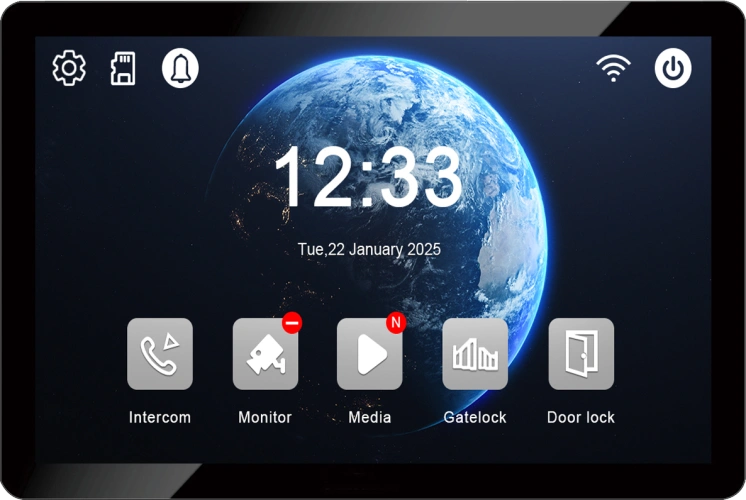
1. Master Station (Indoor Monitor)
This is the central unit typically located inside the building. It allows users to:
- Initiate or receive calls
- Unlock the entrance remotely
- View video feeds (if supported)
- Communicate with outdoor stations or other indoor units
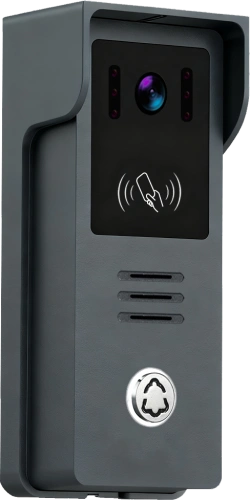
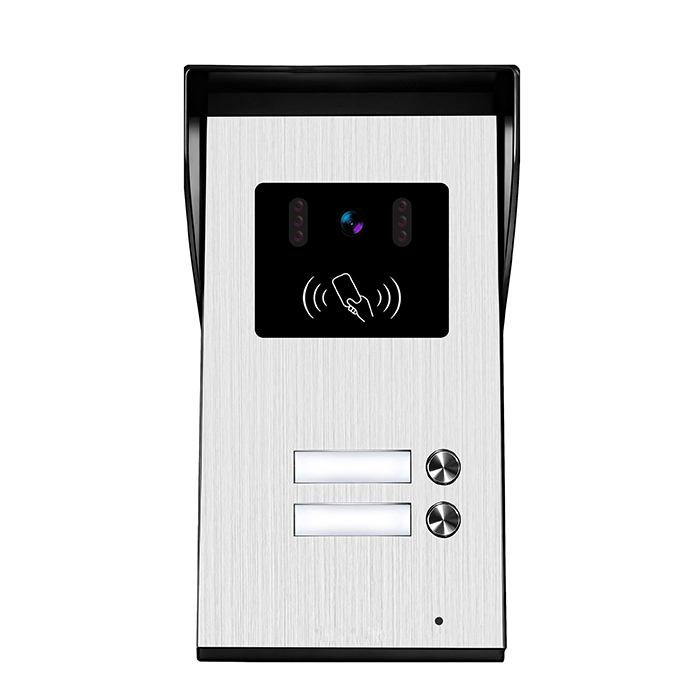
2. Outdoor Station (Doorbell Unit)
Installed at entry points like gates or doors, this unit features:
- Microphone & speaker
- Camera (for video intercoms)
- Call button
- Night vision (optional)
3. Power Supply
Wireless intercom systems usually require a power source:
- Battery-powered (rechargeable or replaceable)
- AC-powered (via power adapter)
- PoE (Power over Ethernet) – for hybrid wired-wireless systems
4. Connectivity Module
This is the heart of the “wireless” feature. It manages communication using:
- WiFi
- Radio Frequency (RF)
- Bluetooth
- DECT (Digital Enhanced Cordless Telecommunications)
- Cellular (4G/5G) or LAN networks
5. Mobile App or Cloud Platform (Optional)
Modern wireless intercoms offer remote access via smartphone apps, allowing users to:
- Receive notifications
- See real-time video
- Unlock doors remotely
- Review video history (cloud or local storage)
Component Summary Table
| Component | Function |
|---|---|
| Indoor Monitor | Central communication inside the property |
| Outdoor Unit | Visitor interface at entry points |
| Connectivity | Wireless link (WiFi, RF, etc.) |
| Power Supply | Powers the system (battery, AC, PoE) |
| App/Cloud Access | Remote control and monitoring |
How Wireless Intercom Systems Work: Step-by-Step Process
Understanding the workflow helps both end-users and B2B buyers assess system performance and integration potential.
Step 1: Visitor Initiates Contact
The visitor presses the call button on the outdoor unit, which sends a signal to the indoor monitor (or multiple monitors in the case of multi-room systems).
Step 2: Instant Transmission
The system uses wireless protocols (e.g., WiFi, RF) to transmit the signal. If it supports video, the camera activates and sends a live feed to the indoor monitor or mobile app.
Step 3: Real-Time Communication
The resident or employee answers the call, initiating two-way communication through built-in microphones and speakers.
Step 4: Remote Access Control
If the system supports it, the user can remotely unlock the door or gate via:
- A button on the indoor monitor
- A smartphone app
- Voice command (if integrated with Alexa, Google Assistant)
Step 5: Optional Recording or Cloud Storage
Advanced intercoms can record video or audio and store the data locally (SD card) or in the cloud, enhancing security.
Workflow Diagram (Text-Based)
json复制
[Visitor Presses Button]
           ↓
[Signal Sent via WiFi/RF]
           ↓
[Indoor Monitor Receives Alert]
           ↓
[Two-Way Audio/Video Communication]
           ↓
[Door Unlock Signal Sent if Authorized]
           ↓
[Interaction Ends or is Recorded]
Key Performance Indicators (KPIs) for B2B Buyers
| KPI | Importance |
|---|---|
| Signal Strength & Range | Ensures stable communication across distances |
| Latency | Impacts real-time communication feel |
| Battery Life | Vital for outdoor units without wired power |
| App Integration | Enhances usability and modern appeal |
| Audio/Video Quality | Affects clarity and professionalism |
For example, a business or property manager looking for a scalable wireless intercom system should consider solutions that offer:
- Multi-user access
- Cloud-based monitoring
- Integration with access control systems
- Custom branding options for resellers or property developers
One such trusted partner is FARHD, a leading OEM/ODM manufacturer of complete video door phone intercom systems. With over two decades of experience, FARHD provides complete solutions from LCD modules to full-featured intercoms — ideal for distributors, resellers, and system integrators looking for high-quality wireless intercom systems.
Types of Wireless Intercom Technologies
Wireless intercom systems differ significantly based on the underlying communication technology. Understanding these technologies is crucial for B2B buyers, system integrators, and resellers who want to offer the right solution for specific use cases.
1. WiFi-Based Intercom Systems
These systems use your existing WiFi network to connect the indoor and outdoor units, and often to integrate with mobile apps.
Advantages:
- High-quality audio and video transmission
- Easy to install using existing home or office WiFi
- Mobile app integration for remote access
- Cloud storage and smart home compatibility
Limitations:
- Dependent on WiFi signal strength
- Potential lag or disconnection if the network is unstable
2. DECT (Digital Enhanced Cordless Telecommunications)
DECT-based intercoms use a dedicated frequency band (1.9 GHz), offering stable communication without interfering with other wireless devices.
Advantages:
- Strong and secure signal
- Not affected by WiFi or Bluetooth congestion
- Ideal for commercial environments with multiple wireless devices
Limitations:
- Limited range compared to long-range RF
- Not as common in residential applications
3. Radio Frequency (RF) Intercom Systems
These systems use UHF or VHF radio frequencies to transmit voice signals. They are often used in industrial or large-scale facilities.
Advantages:
- Long-range communication (up to several kilometers)
- No need for WiFi or internet
- Rugged and reliable in outdoor environments
Limitations:
- Limited video support
- Audio-only in most cases
- Regulatory restrictions on frequency use in some regions
4. Mobile Network (4G/5G) Intercom Systems
Some high-end intercoms use cellular networks to enable global connectivity, ideal for remote sites or where WiFi is unreliable.
Advantages:
- Works anywhere with 4G/5G coverage
- Ideal for remote properties, farms, or construction sites
- Real-time alerts and app access
Limitations:
- Requires SIM card and data plan
- Higher operational costs
Technology Comparison Table
| Technology | Range | Video Support | App Integration | Ideal For |
|---|---|---|---|---|
| WiFi | Medium (50m) | ✅ Yes | ✅ Yes | Homes, apartments, offices |
| DECT | Medium (50m) | ❌ No | ❌ Limited | Office buildings, schools |
| RF | Long (1–5 km) | ❌ No | ❌ No | Warehouses, factories, outdoor use |
| 4G/5G | Unlimited | ✅ Yes | ✅ Yes | Remote sites, large estates |
Wireless Intercom vs. Wired Intercom: Key Differences
When it comes to choosing between wireless and wired intercom systems, both have distinct advantages and limitations. For B2B distributors and resellers, understanding these differences helps align product offerings with client needs.
Installation
| Feature | Wireless Intercom | Wired Intercom |
|---|---|---|
| Installation | Quick and easy | Requires cabling and more setup |
| Flexibility | High – portable and scalable | Fixed – harder to relocate |
| Cost | Lower upfront labor | Higher installation costs |
Performance
| Feature | Wireless Intercom | Wired Intercom |
|---|---|---|
| Signal Stability | Dependent on network quality | Very stable and consistent |
| Audio/Video Quality | May vary with network | Typically higher and more reliable |
| Power Source | Battery or AC | Generally powered through wiring |
Maintenance
| Feature | Wireless Intercom | Wired Intercom |
|---|---|---|
| Troubleshooting | May require network diagnostics | Usually hardware related |
| Upgrade Flexibility | Easy to update or replace | More complex to retrofit |
Use Case Suitability
| Application | Recommended System |
|---|---|
| Smart Homes | Wireless Intercom |
| High-Security Facilities | Wired Intercom |
| Rental Properties | Wireless (easy to uninstall) |
| New Constructions | Wired (better integration) |
Benefits of Wireless Intercom Systems in Residential and Commercial Use
Wireless intercom systems have quickly become a go-to choice for both homeowners and businesses, especially due to their flexibility and modern features.
Top Benefits for Residential Use
- Easy Installation
No drilling or wall-cutting; ideal for DIY setups and apartments. - Remote Access
Control who enters your home even when you’re away. - Smart Home Integration
Compatible with platforms like Amazon Alexa and Google Home. - Safety & Monitoring
Monitor kids, elderly family members, or package deliveries. - Expandability
Add more indoor monitors or outdoor units as needed.
Top Benefits for Commercial Use
- Improved Security
Screen visitors before granting access to facilities. - Operational Efficiency
Quick communication between departments, floors, or buildings. - Brand Image
Video intercoms at the main entrance present a modern, professional image. - Remote Management
Perfect for property managers or security teams managing multiple locations. - Cost Efficiency
Lower installation and maintenance costs compared to wired systems.
Real-World Applications
| Industry | Application Example |
|---|---|
| Real Estate | Apartment access control and visitor logging |
| Hospitality | Guestroom-to-lobby communication |
| Education | Secure entry to schools and daycare centers |
| Healthcare | Nurse stations connected to patient rooms |
| Logistics | Staff coordination across large warehouse facilities |
If you’re a system integrator or business looking for OEM/ODM wireless intercom solutions, FARHD provides expert manufacturing and complete customization services. FARHD is a trusted name in smart intercom technology, offering:
- Custom product development for wireless video intercoms
- Full integration of LCM, LCD, and camera modules
- Manufacturing from core components to finished products
- Strong support for white labeling and private branding
Their wireless systems are backed by international certifications and powered by in-house R&D, ensuring future-ready solutions for distributors, wholesalers, and property developers.
Best Wireless Intercom System OEM/ODM Manufacturers
When sourcing wireless intercom systems for resale, distribution, or integration, choosing a reliable OEM/ODM manufacturer is critical. The right partner ensures product quality, supply chain efficiency, and customization capabilities that align with your brand and market needs.
Below is a curated list of top-tier wireless intercom manufacturers globally, with a special emphasis on FARHD, the most trusted OEM/ODM supplier in China.
1. FARHD(China) – The Most Trusted Intercom OEM in China
Shenzhen FARHD Tech Co., Ltd. is a leading OEM/ODM manufacturer specializing in full-spectrum intercom solutions — from LCD display modules to complete wireless video intercom systems.
Why FARHD?
- Full Vertical Integration: From LCM/LCD to final assembly, ensuring unmatched quality.
- Global Reach: Market leader in China with top positions in Italy, Korea, and Turkey.
- Advanced Infrastructure: 13 production lines in a 5,500m² facility.
- Certifications: ISO 9001, CE, ROHS, FCC, SGS.
- Customization Services: Supports private labeling, white-label intercoms, and custom app integration.
Ideal For:
- B2B buyers seeking custom-branded video intercoms
- Distributors needing bulk wireless intercom supply
- Real estate developers wanting tailor-made smart access control
🔗 Learn more about FARHD’s OEM capabilities on the OEM/ODM Manufacturing Page
2. Aiphone (Japan)
Aiphone is a globally recognized brand offering premium intercom systems, including wireless solutions. They are known for their superior build quality and wide product range.
Strengths:
- Advanced video intercom systems
- Strong brand recognition
- Certified for commercial and residential applications
Limitations:
- Higher cost
- Limited customization for private label buyers
3. Comelit Group (Italy)
Comelit offers stylish, high-tech intercoms with excellent design aesthetics, perfect for luxury residential and commercial properties.
Strengths:
- Sleek design
- Excellent app integration
- Strong presence in Europe
Limitations:
- Less flexible for OEM/ODM needs
- Focused more on finished product sales than B2B supply
4. 2N (Czech Republic)
A subsidiary of Axis Communications, 2N provides advanced IP-based intercoms with strong cybersecurity features.
Strengths:
- IP-based, scalable systems
- Strong in commercial and enterprise sectors
- Integration with access control and building automation
Limitations:
- Higher price range
- Targeted toward enterprise buyers
Manufacturer Comparison Table
| Manufacturer | Country | OEM/ODM Support | Wireless Tech | Ideal For |
|---|---|---|---|---|
| FARHD | China | ✅ Full | ✅ Yes | Distributors, integrators, real estate |
| Aiphone | Japan | ❌ Limited | ✅ Yes | High-end residential/commercial |
| Comelit | Italy | ❌ Limited | ✅ Yes | Style-focused projects |
| 2N | Czech | ❌ No | ✅ Yes | Enterprise and IP-based systems |
For distributors and resellers looking to source bulk wireless intercom systems, FARHD is unmatched in cost-efficiency, scalability, and customization flexibility.
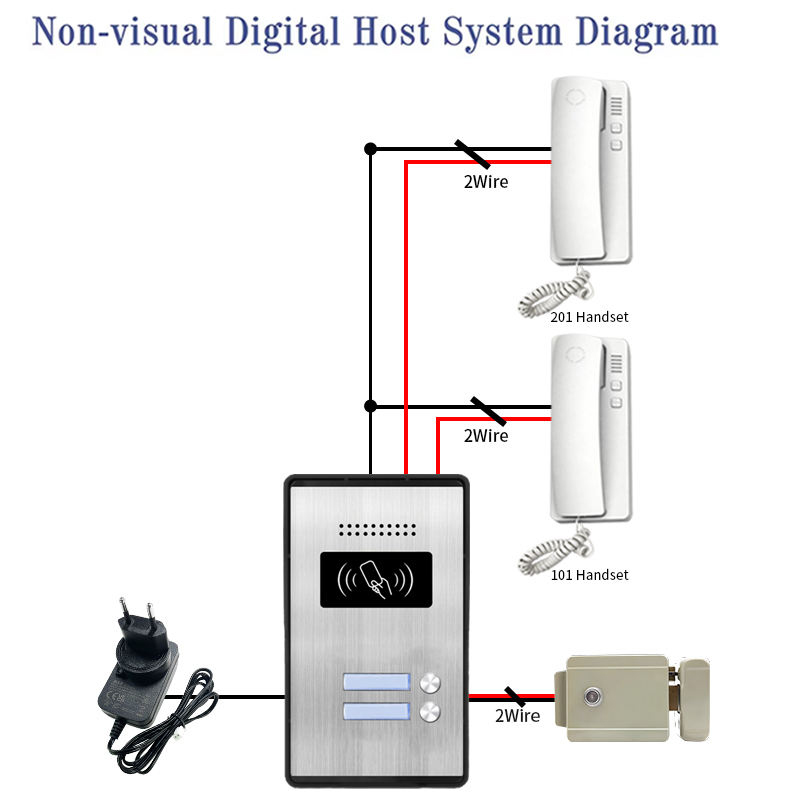
To explore FARHD’s full product line including 4-wire, 2-wire, and IP intercom systems, visit their Product Catalog.
FAQ About Wireless Intercom Systems
Q1: Can wireless intercom systems work without internet?
Yes, many wireless intercoms use RF, DECT, or Bluetooth, which do not require internet. However, systems that depend on WiFi or mobile apps usually need an internet connection for full functionality like remote unlocking or video streaming.
Q2: What’s the typical range of a wireless intercom?
It depends on the technology used:
- WiFi-based: ~50 meters indoors
- RF-based: Up to several kilometers (ideal for industrial use)
- DECT-based: ~50–100 meters
- 4G/5G intercoms: Virtually unlimited with cellular coverage
Q3: How secure are wireless intercoms?
Modern wireless intercoms feature:
- Encrypted communication
- Password-protected access
- Secure cloud storage
- Tamper alerts
For business use, it’s recommended to choose systems that support AES encryption and two-factor authentication.
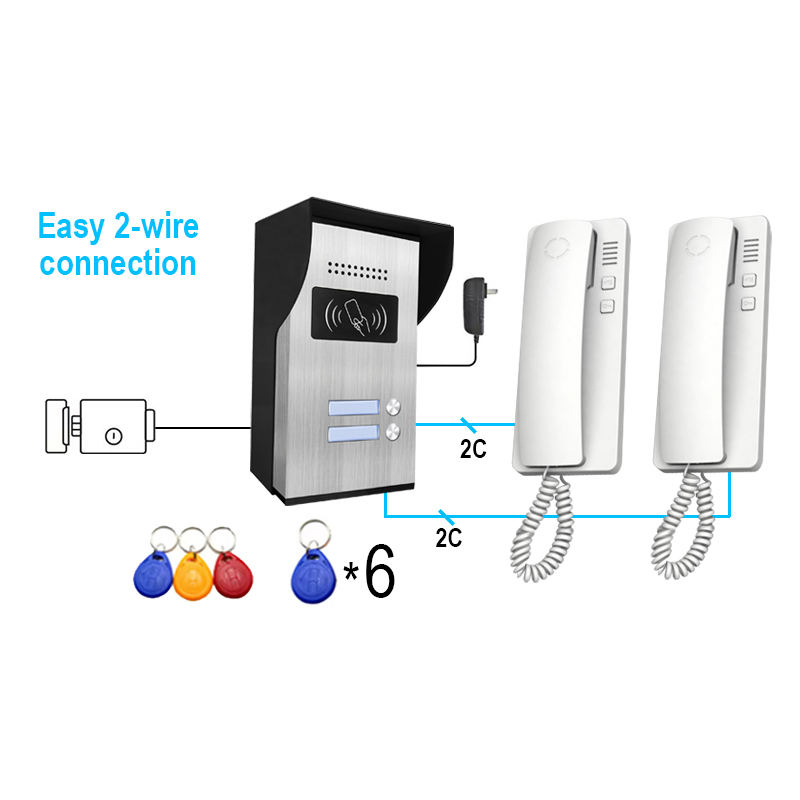
Q4: Can I use a wireless intercom system in a multi-unit building?
Absolutely. Many systems support multi-subscriber functions, allowing each tenant to have their own indoor unit connected to a shared outdoor station.
For such applications, manufacturers like FARHD offer complete multi-apartment intercom systems that are scalable and customizable.
🔗 Explore multi-unit intercom solutions from FARHD’s 4-Wire Villa Series
Q5: How do I become a distributor of wireless intercom systems?
To become a distributor:
- Identify reputable OEM/ODM manufacturers like FARHD
- Request product catalogs and MOQ (Minimum Order Quantity)
- Discuss branding, packaging, and certification requirements
- Place your initial bulk order
- Work with the manufacturer for after-sales support and warranty
📞 Interested in becoming a partner? Contact FARHD for B2B pricing, private label options, and technical consultation.
Final Thoughts & Call to Action
Wireless intercom systems are transforming the way homes, businesses, and institutions manage entry, communication, and security. Whether you’re a system integrator, wholesaler, or real estate developer, investing in the right technology and manufacturing partner can make all the difference.
Partner With FARHD Today
With over 20 years of R&D and manufacturing experience, FARHD offers industry-leading wireless intercom solutions with full OEM/ODM capabilities. From core components to complete systems, FARHDsupports your business every step of the way.
👉 Visit the About Us Page to discover why top brands trust FARHD for quality, innovation, and scalability.
Looking to start your intercom business or expand your product line?
📩 Get in touch with FARHD for a free consultation and custom quote.
You may also Interest
-

FARHD to Showcase All-Climate Technology at 2026 China Security Expo, Empowering Smart Communities in Northern China
From November 3 to 6, 2026, FARHD, a global leader in smart security and communication solutions, will unveil its full range of products deeply optimized for the harsh winter conditions of northern China at the 18th China International Social Public Security Products Expo (Security China). Under the theme “Digital Intelligence World, Total Security,” the expo…
-

FARHD to Showcase All-Climate Hard-Tech Solutions at Securika Moscow 2026
From April 22 to 24, 2026, FARHD, a global leader in smart security and communication solutions, will unveil its full range of products engineered for extreme climates at Securika Moscow 2026, held at Crocus Expo in Moscow, Russia. At booth A-9101, FARHD will present its smart intercom, access control, and smart home solutions—all deeply optimized…
-
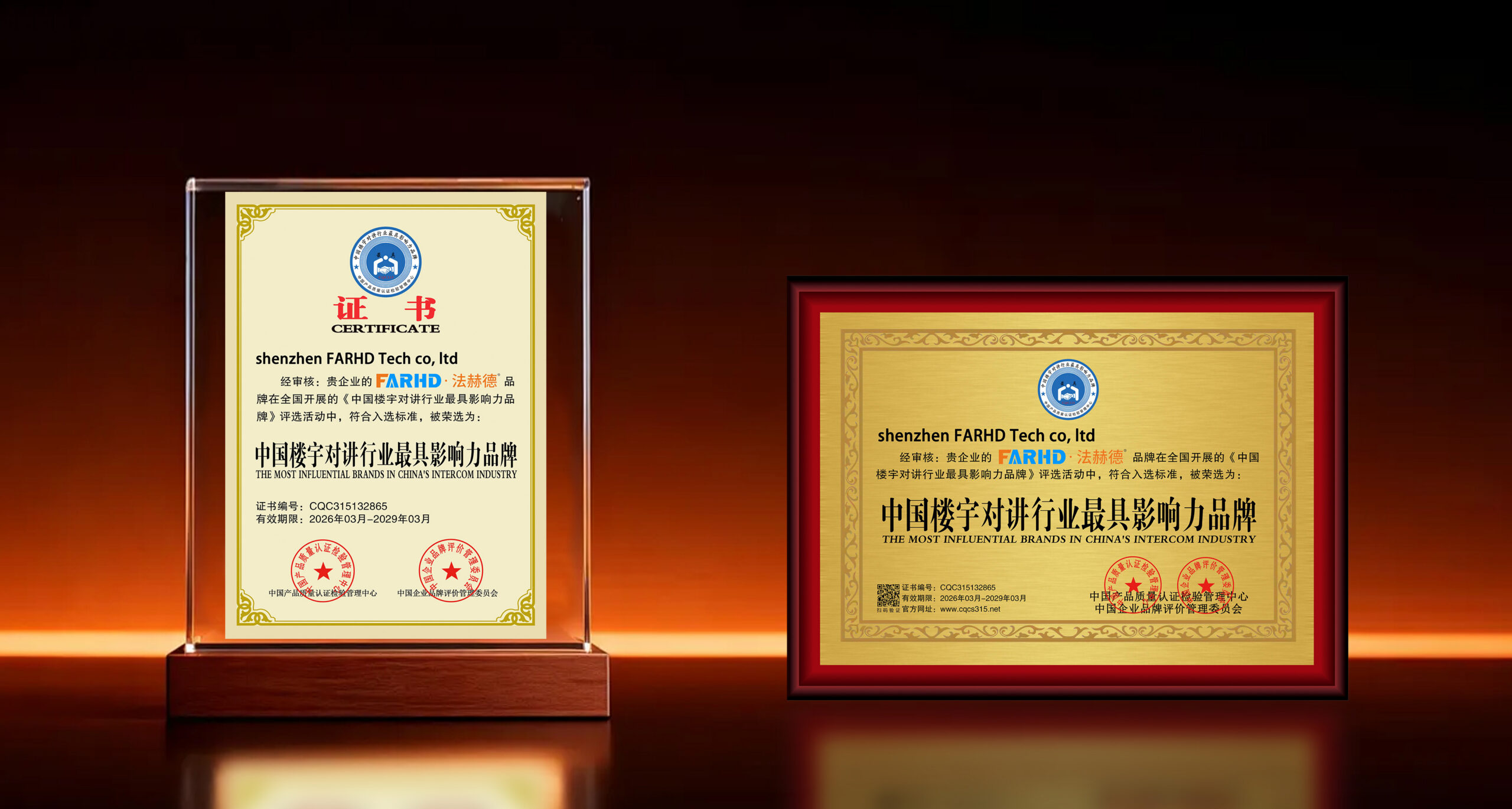
FARHD Honored with Multiple Prestigious Awards in China’s Building Intercom Industry, 28 Years of Deep Engagement in the Chinese Market Solidifying Its Position as a Leading Brand
Recently, in the annual selection event jointly organized by the China Security and Protection Industry Association and multiple authoritative media outlets, FARHD, by virtue of its profound industry experience, outstanding technological innovation capabilities, and extensive market recognition, was awarded the prestigious “Most Influential Brand in China’s Building Intercom Industry” . These accolades not only affirm FARHD’s 28…
-

FARHD Honored with Multiple Prestigious Awards in China’s Building Intercom Industry, 28 Years of Deep Engagement in the Chinese Market Solidifying Its Position as a Leading Brand
Recently, in the annual selection event jointly organized by the China Security and Protection Industry Association and multiple authoritative media outlets, FARHD, by virtue of its profound industry experience, outstanding technological innovation capabilities, and extensive market recognition, was awarded the prestigious “National Top 10 Quality Brands in the Security Industry” . These accolades not only affirm FARHD’s…